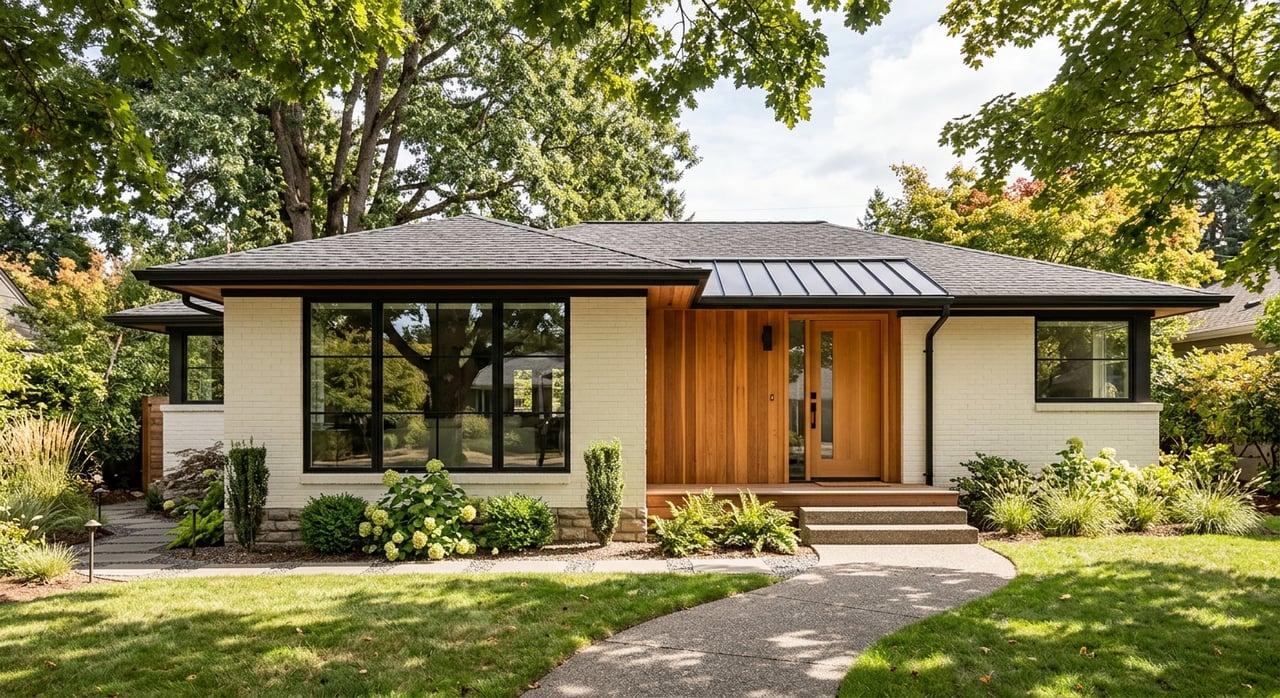
If you want a place that feels established but not stuck, Wheat Ridge deserves a closer look. You get older homes, mature streets, and a location that keeps you close to Denver, the mountains, and everyday essentials. For many buyers, that mix is hard to find. This guide will show you why Wheat Ridge stands out, what the housing stock really looks like, and where the city’s fresh energy is showing up most clearly. Let’s dive in.
Why Wheat Ridge Feels Different
Wheat Ridge is a home-rule, limited-service city in Jefferson County with deep roots that stretch back to the Gold Rush era and the Overland Trail. Today, the city highlights its central location, with access from I-70, short commutes to Denver, and mountain recreation in less than an hour. That combination helps explain why it continues to draw buyers who want both convenience and a Colorado lifestyle.
There is also a strong sense of continuity here. Census QuickFacts lists a 2020 population of 32,398, and 84.0% of residents were living in the same house one year earlier. While those figures are directional, they support the idea that Wheat Ridge has an established, lived-in feel rather than a constant churn.
Classic Homes Shape the Market
If you picture Wheat Ridge as a place with personality, the housing data backs that up. The city says nearly 80% of single-family homes were built between 1940 and 1979, while only 12% were built in 1980 or later as of 2016. That is a strong reason the city feels full of older, character-rich homes instead of one-note newer subdivisions.
In practical terms, that often means homes with more architectural variety, larger lots, and room to personalize over time. The city does not publish a style-by-style inventory, but the age profile fits what many buyers associate with mid-century, ranch, and bungalow-era homes being part of the visual fabric. If you like neighborhoods that feel established, Wheat Ridge has that built in.
Renovation Potential Is Part of the Story
Older homes can bring charm, but they also raise an important question: what can you do with them? In Wheat Ridge, renovation is not just a side note. The city reports that residential addition and remodel permits exceeded $85 million in valuation from 2010 to 2020.
That level of permit activity points to a real culture of reinvestment. Buyers who are comfortable looking past dated finishes may see more opportunity here than in places where the housing stock is either fully new or already heavily standardized. This is where a renovation-informed perspective can matter, especially when you are comparing homes that need very different levels of work.
New Housing Adds Fresh Options
Wheat Ridge is not standing still. Since 2010, the city says it has added a range of housing types, including detached homes, small-lot homes, townhomes, duplexes, and apartments. That broader mix gives buyers more ways to enter the market or move within it.
For households thinking long term, flexibility is another plus. Accessory dwelling units, or ADUs, have been allowed in Wheat Ridge since August 15, 2022. The city notes that ADUs can support aging in place, multigenerational living, and an additional housing option, which adds a useful layer of possibility for some older lots and properties.
Outdoor Access Is Part of Daily Life
A lot of Wheat Ridge’s appeal comes from what surrounds you day to day. The city identifies itself as a Tree City USA community, and its streetscape standards require elements such as sidewalks and street trees in the public right-of-way. Along with new waterwise landscaping regulations adopted in 2024, those policies help explain why many areas feel established and green.
Clear Creek is another major piece of the lifestyle picture. The city says much of the floodplain is preserved as the Clear Creek Greenbelt, which reinforces the outdoor feel many buyers want. Instead of treating open space as an afterthought, Wheat Ridge has a visible natural feature woven into the city itself.
Location Still Does Heavy Lifting
For many buyers, Wheat Ridge works because it keeps your options open. The city emphasizes easy access to Denver and the mountains, and that balance is a big part of the draw. You can stay connected to urban job centers while still feeling closer to trails, recreation, and west-side movement patterns.
Transit adds to that convenience. RTD’s G Line is an 11.2-mile electric commuter rail line connecting Union Station to Wheat Ridge, including the Wheat Ridge•Ward station. If you value a market where transportation options are expanding alongside housing choices, that station area is worth paying attention to.
Where Fresh Energy Is Showing Up
The phrase “fresh energy” fits Wheat Ridge best when you look at its corridors and redevelopment areas. West 38th Avenue between Wadsworth and Sheridan is a city-designated high-priority redevelopment area. The city’s 2040 plan also prioritizes 38th Avenue, a safer pedestrian and bicycle network, stronger retail and business districts, and long-term infrastructure sustainability.
That matters because it shows change is being guided, not happening at random. If you are buying with an eye toward future momentum, it helps to know where the city itself is focusing resources and planning attention.
Reinvestment Is Happening in Multiple Nodes
Wheat Ridge’s urban renewal program points to more than one center of activity. Current plan areas include West End 38, the 38th Avenue Corridor, West 44th Avenue and Ward Road, I-70/Kipling, Clearvale, and Lutheran Legacy Campus. That is a strong signal that reinvestment is spread across several parts of the city.
The 44th Avenue Subarea Plan adds even more context. Adopted in April 2023, it identifies West 44th Avenue as the primary connection between the east and west sides of Wheat Ridge and links it to the Wheat Ridge Ward commuter rail station, Clear Creek Trail, Clear Creek Crossing, and nearby neighborhoods. The plan explicitly focuses on revitalization and reinvestment.
The Ward Station Area Matters
If you want to see where change is most visible, look near the Wheat Ridge•Ward station and major corridors. The city’s housing page identifies newer projects such as Hance Ranch, Ridge at Ward Station, Fruitdale School Lofts, West End 38, and Clear Creek Crossing projects. That clustering suggests a clear pattern of newer development around transit and key corridors.
The city’s active development map reinforces the point. At any given time, many private projects are under review, pending hearings, approved, pending construction, or under construction. For buyers, that means Wheat Ridge can offer both established neighborhoods and visible signs of what is coming next.
What This Means for Buyers
Wheat Ridge may be especially appealing if you want an older home with room for vision. The city’s housing stock, remodel activity, and ADU rules all support the idea that this is a market where potential matters. You are not just buying what a home is today. In many cases, you are also buying what the lot, layout, or location could support over time.
It can also be a good fit if you want a central west-side location without giving up neighborhood character. Wheat Ridge offers an established setting, access to outdoor amenities, and redevelopment in select corridors rather than a full reset everywhere. That balance is a big part of its appeal.
What This Means for Sellers
If you own in Wheat Ridge, your home may be part of a larger story that buyers already value. Established streets, older housing stock, and visible reinvestment can make a property feel more compelling when it is positioned correctly. Buyers are often looking for both present livability and future upside.
That is especially true if your home has updates, expansion potential, or lot flexibility. In a market where renovation culture is already visible, thoughtful preparation and clear marketing can help buyers understand the value beyond cosmetic first impressions.
A Smart Way to Evaluate Wheat Ridge
Wheat Ridge is not best understood as a brand-new suburb. It makes more sense as an established city with classic homes, mature streets, outdoor access, and selective reinvestment that is easy to spot. That is what gives it both stability and energy.
If you are the kind of buyer or seller who cares about location, condition, and long-term potential, Wheat Ridge offers a lot to think about. And if you want help weighing remodel feasibility, corridor momentum, or how to position an older home in today’s market, Braden Wahr can help you make a confident move.
FAQs
What is living in Wheat Ridge like for homebuyers?
- Wheat Ridge offers an established feel with older homes, tree-oriented streets, access to Clear Creek open space, and a central location with connections to Denver, I-70, and the mountains.
What kinds of homes are common in Wheat Ridge?
- According to the city, nearly 80% of single-family homes were built between 1940 and 1979, so older homes with character and renovation potential are a major part of the market.
Is Wheat Ridge seeing redevelopment and new investment?
- Yes. The city has multiple urban renewal plan areas, active development projects, and focused planning efforts along corridors such as West 38th Avenue and West 44th Avenue.
Does Wheat Ridge have transit access to Denver?
- Yes. RTD’s G Line connects Union Station to Wheat Ridge and includes the Wheat Ridge•Ward commuter rail station.
Can you add an ADU in Wheat Ridge?
- Wheat Ridge has allowed accessory dwelling units since August 15, 2022, and the city says they can support aging in place, multigenerational living, and an additional housing option.
Why do buyers look at Wheat Ridge instead of newer suburbs?
- Many buyers are drawn to Wheat Ridge because it combines classic housing, mature streets, outdoor access, and visible reinvestment instead of offering only brand-new housing stock.