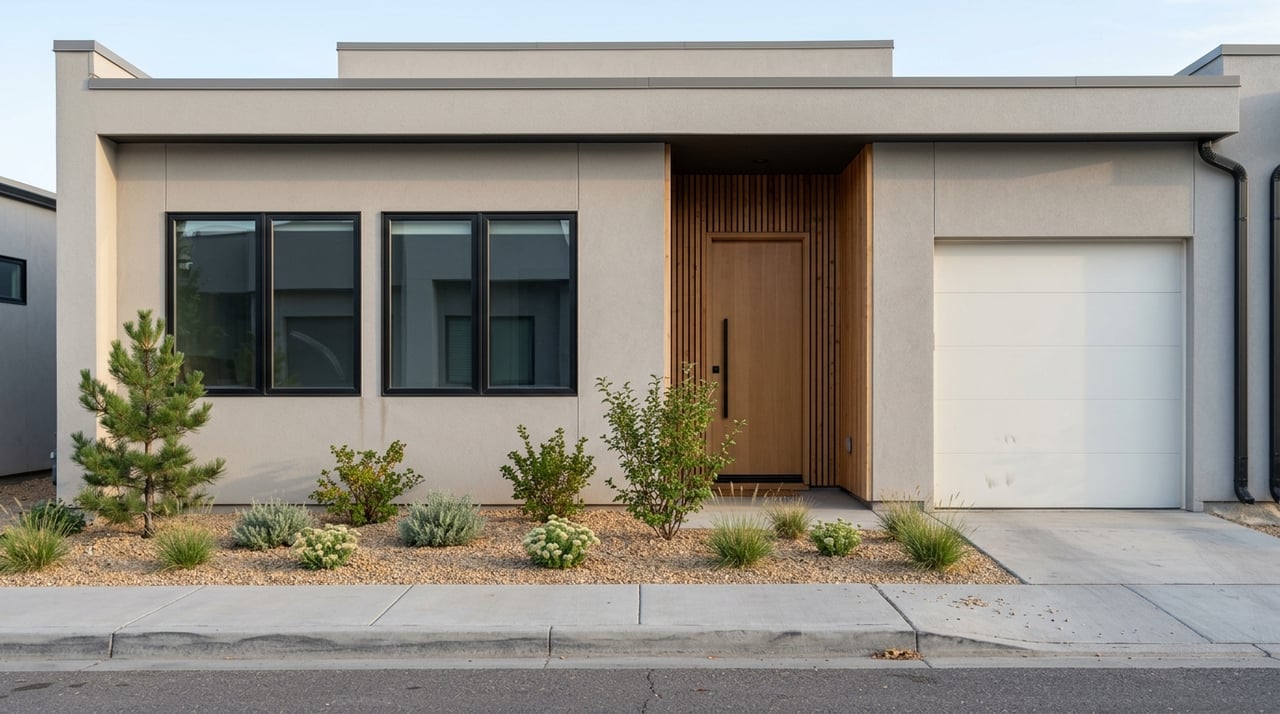
Wondering where you fit in Arvada? That is a smart question to ask before you focus only on price, square footage, or finishes. Arvada offers more than one lifestyle, and understanding those differences can help you narrow your search with more confidence. Whether you want historic walkability, a home with renovation potential, or newer neighborhoods near open space, this guide will help you see the city more clearly. Let’s dive in.
Arvada Offers Several Ways to Live
Arvada is a large city with 124,402 residents, and it is not best understood as one single suburban experience. It is also a mostly owner-occupied city, with a 75.3% owner-occupied housing rate in the latest ACS estimates. That gives many parts of Arvada a stable, residential feel, but the day-to-day lifestyle can still vary a lot depending on where you land.
One thing that ties the city together is access to the outdoors. Arvada manages a 4,200-acre parks, trails, and open-space system with more than 90 neighborhood parks, and 96% of residents live within a ten-minute walk of one. The city also has a 150-mile trail network, which is a big reason Arvada appeals to people who want both neighborhood living and room to get outside.
Olde Town Living in Arvada
Olde Town is the part of Arvada that feels most connected to the city’s historic core. The city describes it as a link to Arvada’s heritage, culture, past, and future, with a mix of single-family residences, retail, office, and mixed-use buildings. If you want a setting with more activity and a stronger sense of place, this is often where your search starts.
What makes Olde Town distinct
Olde Town stands out for its pedestrian-oriented design and concentration of locally owned shops, restaurants, and bars. It is one of the clearest examples in Arvada of a lifestyle where you may be able to leave the car parked more often. That can be a major draw if you want a neighborhood with built-in daily convenience and a more connected street feel.
Transit is another part of the appeal. RTD lists Olde Town as one of three Arvada stops on the G Line commuter rail, which runs 11.2 miles from Union Station through Arvada and operates every 30 minutes. For buyers who commute or simply want another transportation option, that feature helps Olde Town stand apart from more residential parts of the city.
What to expect from homes near Olde Town
The housing story in and around Olde Town often includes character, age, and thoughtful updates. The nearby Reno Park Addition Historic District includes single-family homes, some light commercial use, and buildings mostly built in the 1800s. The Stocke-Walter Addition Historic District was formally platted in 1904 and 1920, which adds to the area’s older-home identity.
If you are drawn to older homes, this can be an exciting part of Arvada to explore. It can also require a more careful eye. The city’s design guidelines require compatibility review for work in Olde Town and Reno Park, so renovation here is often about balancing improvement with historic context.
Why Olde Town appeals to some buyers
Olde Town tends to fit buyers who value walkability, local businesses, historic character, and transit access. It can also appeal to sellers whose homes offer original details, central location, or renovation work that respects the home’s style. If your priorities lean toward energy, charm, and location convenience, Olde Town may feel like the strongest match.
The city is also continuing to study how this area functions. In October 2023, Arvada adopted the Olde Town Arvada Strategic Reinvestment Plan, which examines a more permanent pedestrian-street configuration. Current street closures already allow shops and restaurants to use sidewalks for seating and shopping, reinforcing that outdoor, people-focused feel.
Established Neighborhoods With Room to Improve
If Olde Town is Arvada’s historic and walkable side, many established neighborhoods represent the city’s classic residential side. These areas often offer mature streets, older homes, and the kind of layout that attracts buyers who see potential rather than needing everything to feel brand new. For a lot of households, that can be a very practical sweet spot.
The city’s zoning code includes the RN, or Residential Neighborhood, district, which is intended to maintain the character of mature, established neighborhoods while allowing redevelopment that fits the surrounding architectural character. Across Arvada, the city’s neighborhood leader directory identifies areas such as Allendale, Allendale West, Lamar Heights, Scenic Heights, Lake Arbor, and Pomona. These names help show the range of established residential pockets throughout the city.
Why these neighborhoods matter
Arvada has a substantial older housing base. According to the 2024 housing-needs report, three quarters of the housing stock was built before 2000. The city’s consolidated housing plan also found that 58 percent of housing was built before 1980, reflecting a major housing boom from 1950 to 1980.
That matters because older homes often create different opportunities and decisions than newer homes do. You may find original finishes, older systems, or layouts that invite updates over time. For sellers, these neighborhoods can also raise useful questions about which improvements are worth making before listing.
What renovation-minded buyers should watch for
Established Arvada neighborhoods can be a strong fit if you want to personalize a home instead of paying for every update upfront. In many cases, the opportunity is not about a full overhaul. It may be about cosmetic changes, better use of space, or strategic upgrades that improve function and long-term value.
The city’s newer housing-needs report notes that a large share of pre-2000 housing may need accessibility improvements as the population ages. That is a helpful reminder that updates are not only about style. They can also be about livability, comfort, and how well a home works for you over time.
A practical fit for many buyers and sellers
These neighborhoods often appeal to buyers who want more house for the money than they might find in a highly walkable district. They can also be attractive to sellers who have maintained a home over many years and want guidance on how to position it well in today’s market. If you appreciate mature residential streets and see value in a home’s future potential, this part of Arvada deserves a close look.
West Arvada for Newer Homes and Open Space
West Arvada tells a different story. This is where the city’s newer-growth pattern is more visible, and where access to trails, golf, and open space becomes a major part of the lifestyle equation. If you picture a home base that feels a little newer and a little closer to wide-open surroundings, west Arvada may stand out.
The city’s future land-use map groups Candelas, Leyden Rock, West Woods, and large open-space areas together on the west side of Arvada. In 2026, the city is considering a Candelas rezoning and comprehensive-plan amendment for 105.89 acres at 17201 W 64th Ave, with proposed residential and commercial uses and densities ranging from 6 to 24 dwelling units per acre. That is a sign that growth and planning are still active parts of west Arvada’s story.
What the outdoor lifestyle looks like
West and northwest Arvada have strong trail connections that help define the area. The city highlights routes such as Leyden Creek Trail, Moon Gulch Trails, Independence Trail, Fairmount Trail, and Wayne Lunn Trail. Barbara Gulch Trail currently stops at the west end of Leyden Rock and is planned to extend farther west.
These routes connect through open space, Rocky Flats, and into Golden, which adds a lot for people who want regular outdoor access close to home. West Woods Golf Club is also located in west Arvada. Together, these features support a lifestyle that feels more space-oriented and outdoors-focused.
The tradeoff to consider
West Arvada often makes sense for buyers who want newer construction, more room, and closer proximity to trail systems and open space. The tradeoff is that it is generally less walkable day to day than Olde Town. That does not make it better or worse, just different.
If you want coffee shops, restaurants, and transit close by, Olde Town may check more boxes. If you want neighborhood scale, outdoor access, and a setting that leans more toward open land and newer development, west Arvada may be the clearer fit.
Renting in Arvada Is Also an Option
Arvada is owner-heavy, but that does not mean every housing choice is detached ownership. The city’s neighborhood directory includes apartment and townhome communities such as Village West Apartments, Woody Creek Townhomes, and West Wood Villas. That shows there are attached-housing options for renters as well.
For some people, renting in Arvada can be a practical way to learn the city before making a purchase. It can also help you test what matters most, whether that is access to Olde Town, a quieter residential setting, or proximity to west-side trails and open space.
How to Choose the Right Part of Arvada
A good Arvada home search usually starts with lifestyle, not just listings. The right area for you depends on how you want your week to feel. Commute, outdoor habits, home-condition tolerance, and renovation interest all matter here.
A simple way to think about it is this:
- Choose Olde Town if you want historic character, walkability, mixed-use surroundings, and G Line access.
- Choose established neighborhoods if you want mature residential streets, older homes, and room to create value through updates.
- Choose west Arvada if you want newer growth areas, more open-space access, and strong trail connections.
For buyers and sellers alike, Arvada rewards a local, property-specific approach. In one part of town, value may come from location and character. In another, it may come from lot placement, trail access, or the upside in an older home that has good bones.
If you are trying to sort out which part of Arvada fits your goals, it helps to work with someone who can look beyond surface-level features. Braden brings a real estate perspective shaped by west-side market knowledge and renovation insight, which can be especially useful when you are comparing older homes, updates, and long-term potential. When you are ready to talk through your options in Arvada, connect with Braden Wahr.
FAQs
What is Olde Town Arvada like for daily living?
- Olde Town Arvada offers a historic downtown setting with pedestrian-oriented design, locally owned shops and restaurants, mixed-use buildings, and G Line commuter rail access.
What kind of homes are common in established Arvada neighborhoods?
- Many established Arvada neighborhoods have older housing stock, with much of the city’s housing built before 2000 and a large share built before 1980, which can create renovation and update potential.
What makes west Arvada different from central Arvada?
- West Arvada is more closely associated with newer growth, open space, trail access, and neighborhoods such as Candelas, Leyden Rock, and West Woods, while being less walkable day to day than Olde Town.
Are there rental options in Arvada besides single-family homes?
- Yes. Arvada’s neighborhood directory includes attached-housing options such as apartment and townhome communities, including Village West Apartments, Woody Creek Townhomes, and West Wood Villas.
How do you choose the best part of Arvada to live in?
- The best fit depends on whether you prioritize walkability and transit, mature neighborhoods with renovation potential, or newer areas with more open-space and trail access.