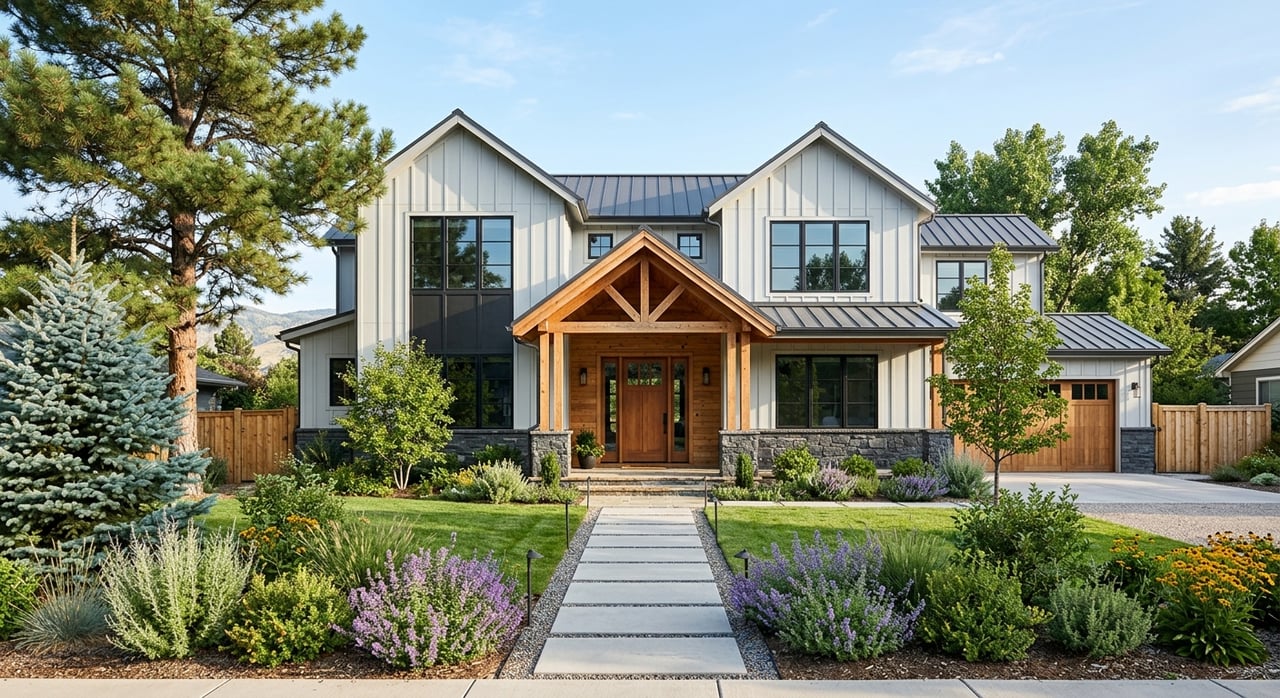
Trying to choose the right Littleton neighborhood can feel simple at first, until you realize “Littleton” can mean very different things from one block to the next. If you are weighing charm versus convenience, trail access versus transit, or remodel freedom versus neighborhood rules, the details matter. The good news is that Littleton gives you several distinct lifestyle options, and once you know what to compare, the decision gets much clearer. Let’s dive in.
Start With Littleton’s Micro-Areas
One of the most important things to know is that Littleton is not a one-size-fits-all market. The city’s planning work treats areas like Santa Fe, Broadway, Littleton Boulevard, Belleview, and Mineral as separate corridors, which is a helpful reminder that neighborhood choice here is often about micro-location.
That matters because a Littleton mailing address does not always mean a home is actually inside Littleton city limits. If city services, zoning context, or neighborhood resources matter to you, it is smart to verify the exact parcel using the city’s mapping tools before you make assumptions.
For most buyers, the best way to narrow your search is to think about four things first:
- Your daily commute
- Your comfort with HOA rules
- Your interest in remodeling
- The kind of setting you want around you every day
When you start there, Littleton’s neighborhoods become much easier to sort through.
Choose Downtown for Character
If you love older homes, walkable blocks, and a more established feel, central Littleton and the historic downtown area may be the best fit. The Downtown Littleton Historic District includes properties on Main Street, Alamo Avenue, and the streets between them, and the area is known for its original buildings and pedestrian scale.
That character is a real draw, especially if you want architecture with personality instead of a more uniform subdivision feel. Older central pockets can also offer renovation potential, which is especially appealing if you want to personalize a home over time rather than buy something fully updated on day one.
Littleton’s older fabric is not limited to downtown. The city also identifies places like Louthan Heights as a historic district, lists National Register properties such as Arapaho Hills and Littleton Main Street, and describes Littleton Boulevard as a “Mid Mod Mile” that saw substantial growth from 1950 to 1980.
For a renovation-minded buyer, that can create opportunity. You may find homes with strong bones, mature lots, and original design features that are worth improving. But it also means you need to ask better questions before you buy.
Historic Review Matters
In designated historic districts, exterior changes, additions, and demolition may require review. The city’s preservation rules are designed to protect historic character while still allowing repair, rehabilitation, adaptation, and new construction.
That does not mean you cannot make changes. It does mean you should understand the approval process before you count on a major exterior remodel. If you are comparing two similar homes, the one inside a historic district may come with a different renovation path than the one just outside it.
Older Streets Often Feel More Established
Another feature many buyers notice in central Littleton is the mature landscape. The city’s Crabapple Route highlights seven accessible miles of tree-lined streets through the heart of Littleton, which helps explain why many older neighborhoods feel settled and established.
If you care about shade, lot character, and a neighborhood that has grown into itself over time, these central pockets may check a lot of boxes.
Choose South Platte or Mineral for Trails
If your ideal neighborhood starts with outdoor access, the South Platte and Mineral areas deserve a close look. South Platte Park includes 880 acres of open space along the South Platte River, with 2.5 miles of river frontage, 4 miles of natural-surface trails, and 3.5 miles of paved regional trail connections.
That is part of a broader outdoor network across Littleton. The city says it has more than 1,400 acres of parks and open space and more than 200 miles of trails, which makes trail access a real part of everyday living in many parts of town.
For buyers who want to run, bike, walk, or simply stay close to green space, this part of Littleton can be especially appealing. You can be near nature without feeling disconnected from the rest of the metro area.
Floodplain Due Diligence Is Important
There is one practical tradeoff to understand near the river corridor. The city notes that much of South Platte Park sits in a naturally functioning floodplain that was preserved after the 1965 flood.
If you are shopping near the river or other drainageways, floodplain review should be part of your due diligence. Littleton requires a floodplain development permit for proposed development within a floodplain, and the city notes that its standards can be more stringent than FEMA or state standards.
This does not automatically make a property a bad fit. It simply means that if future site work, additions, or certain improvements matter to you, you will want to verify what is allowed before you move forward.
Mineral Balances Trails and Commute Access
South-central and southeast Littleton can be a strong match if you want both recreation and transportation options. Near Mineral and east of Santa Fe, the city’s Mineral Mobility project is working to improve pedestrian and bicycle connections between the RTD Mineral station and neighborhoods to the east, while also tying into the High Line Canal Trail.
That combination can be hard to find. If you want a home base that supports both an active lifestyle and a practical commute, Mineral-area neighborhoods are worth keeping on your list.
Choose HOA Pockets for Predictability
Some buyers want flexibility. Others want a neighborhood where exterior upkeep, shared spaces, and appearance standards are more structured. In Littleton, HOA-managed communities are part of the housing mix, and the city maintains a dedicated HOA resources page and HOA map for that reason.
In general, HOA pockets are more common in planned neighborhoods, while older central areas are more often shaped by historic review or block-by-block variation rather than HOA control. That distinction can make a big difference in how a neighborhood feels and how much freedom you have as an owner.
What You Trade for Lower-Maintenance Living
For many buyers, HOA neighborhoods offer a more predictable ownership experience. You may get shared amenities, clearer exterior standards, and a more managed look across the neighborhood.
The tradeoff is that dues, parking rules, architectural controls, and other obligations can affect how you use the property. If you expect to repaint, rework the yard, change exterior materials, or store certain vehicles, you should read those rules carefully before you compare an HOA home to a non-HOA one.
Non-HOA Areas May Offer More Flexibility
If you are drawn to remodel potential, older non-HOA pockets may feel easier to work with. That can be especially true if your goal is to update curb appeal, reconfigure the exterior, or slowly improve the property over time.
Still, parcel-level verification matters in Littleton. One home may fall under HOA rules, another may sit in a historic context, and another may have neither. The differences are not always obvious from the listing photos.
Compare Commute Options Carefully
A neighborhood can look perfect on paper and still feel wrong if the daily commute does not work for you. In Littleton, major transportation patterns center on I-25, C-470, South Santa Fe Drive, RTD buses, and light rail.
The city says Littleton has two light-rail stations operating on RTD’s C and D lines: Littleton/Downtown Station and Littleton/Mineral Station. Those two stations support different commuting styles, and that can influence where you want to focus your search.
Downtown Station Versus Mineral Station
The practical difference is parking and park-and-ride capacity. RTD station information shows Littleton/Downtown Station has 361 parking spaces, while Littleton/Mineral Station has 1,227.
That makes south Littleton the stronger park-and-ride option for many buyers. RTD’s South Jeffco FlexRide also serves Littleton between Santa Fe Drive and E-470, adding another layer of transit access on the south side.
If your routine depends on driving to transit, that may push you toward Mineral-area neighborhoods. If you care more about central access and downtown character, the downtown station area may still be the better lifestyle fit.
Downtown Is Evolving
If you are attracted to the historic core, it helps to know that downtown Littleton is not standing still. The city says Project Downtown, adopted in November 2024, will guide long-term decisions about mobility, connectivity, parking, pedestrian safety, wayfinding, and streetscape improvements.
That is useful context for buyers who want walkability. You are not buying into a frozen-in-time district. You are buying into an area with historic character that is also seeing ongoing public investment.
Ask Better Questions Before You Buy
No matter which part of Littleton you prefer, the smartest neighborhood decision usually comes down to due diligence. A home can look like the right match until one rule, boundary, or site condition changes the picture.
Here are a few high-value questions to ask as you compare neighborhoods:
- Is the property actually inside Littleton city limits, or does it just have a Littleton mailing address?
- Is the home in a historic district or near a protected corridor?
- Is there an HOA, and what are the dues and architectural rules?
- Is the lot near a floodplain or drainageway?
- Which transit station or major roadway would you use most often?
- If school assignment matters to you, what does the district show for this exact address?
Littleton Public Schools says its boundary and bus-route locator is the correct tool for checking school assignment by address, and the district notes that boundaries have changed and may change again. That means it is best to verify the exact property rather than rely on general neighborhood assumptions.
A Simple Way to Narrow Your Choice
If you want a quick framework, Littleton neighborhoods often break down like this:
| Neighborhood priority | Best-fit area to explore |
|---|---|
| Character and older homes | Downtown and older central pockets |
| Trails and outdoor access | South Platte corridor |
| Transit and park-and-ride convenience | Mineral area |
| Predictable exterior rules | HOA-managed planned pockets |
| More remodeling flexibility | Older non-HOA areas |
The right fit depends less on the name of the city and more on how you want to live in the home. In Littleton, your best neighborhood is usually the one that matches your commute style, renovation goals, and comfort with rules tied to the property.
If you want help sorting through Littleton block by block, especially if you are weighing remodel potential, historic considerations, or the tradeoffs between older and more planned neighborhoods, Braden Wahr can help you evaluate the options with a practical local lens.
FAQs
What should you compare when choosing a Littleton neighborhood?
- Focus on commute patterns, trail access, HOA rules, historic review, floodplain considerations, and whether the property is actually within Littleton city limits.
Are all homes with a Littleton address inside Littleton city limits?
- No. The city says a Littleton mailing address does not always mean the property is inside the city limits, so parcel-level verification is important.
What makes downtown Littleton different from other areas?
- Downtown Littleton offers historic character, original buildings, a pedestrian-scaled layout, and potential renovation opportunities, but some properties may also be subject to historic review for exterior changes.
Why do some buyers prefer the Mineral area in Littleton?
- The Mineral area can appeal to buyers who want a mix of trail access and commute convenience, including access to the RTD Mineral station and improving pedestrian and bike connections.
What should you review before buying in an HOA neighborhood in Littleton?
- You should review dues, architectural controls, parking rules, shared amenity obligations, and any limits that could affect how you use or improve the property.
How do you verify school assignment for a Littleton home?
- Littleton Public Schools says the best way is to use its boundary and bus-route locator for the exact address, since attendance boundaries can change.